Veterans & Returning Customers Save 10%
Clear Damaged Materials and Storm Debris With a Disaster Cleanout Service in Woodbridge, VA
After a storm, flood, or fire, damaged contents can stand in the way of recovery. We remove affected materials and debris so the property can move toward its next stage.
Clear the Aftermath So Recovery Work Can Move Forward
When a storm tears through a property, floodwater enters a building, or fire damages a home, the priorities change quickly. Rooms that were usable hours earlier can suddenly contain soaked flooring, ruined furniture, damaged drywall, burned contents, and debris that cannot simply be placed in a household trash bin.
There is also pressure to move forward. Damaged materials may need to come out before restoration work can proceed. Insurance adjusters, restoration crews, and other trades may need access to affected areas, while the property owner is already dealing with decisions that extend far beyond junk removal.
Trying to tackle the debris personally adds another physical burden at a time when speed matters.
Flathead Junk Removal provides disaster cleanout service in Woodbridge, VA, for properties affected by storms, floods, and fires. Our role is focused on the removal side of the aftermath: clearing approved damaged contents and debris so recovery work has room to begin.
That can mean hauling waterlogged furnishings after a flood, removing storm-damaged contents, or carrying out burned materials following a fire. Ruined drywall, carpeting, furniture, and other affected materials within the agreed scope can be removed and transported to the appropriate waste facility.
Disaster cleanup is not the time for uncertainty about pricing. Even when circumstances are urgent, Flathead provides upfront pricing before the agreed removal work gets underway.
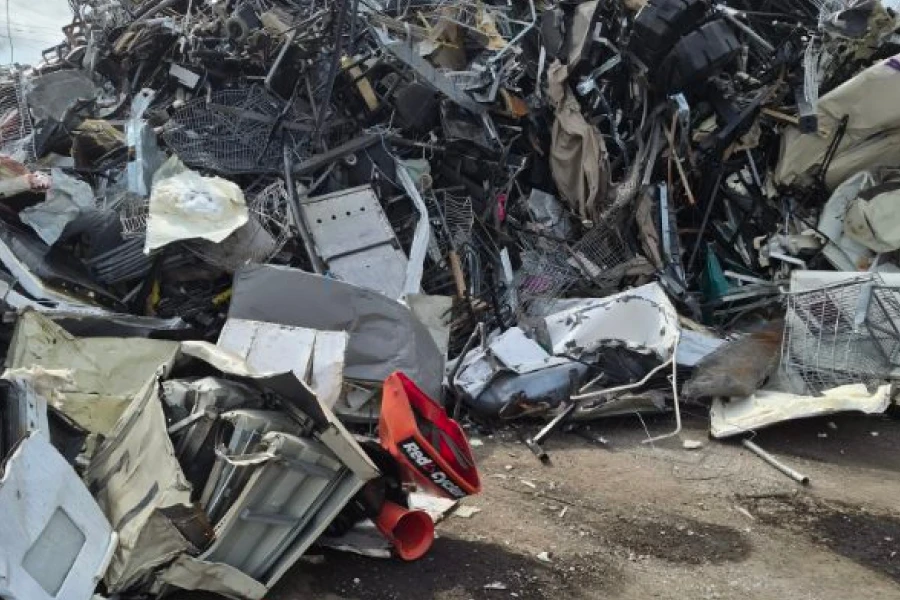
Fast Debris Clearing When the Property Cannot Simply Wait
Disaster debris is different from the ordinary clutter found during a routine cleanout.
Water changes the weight and condition of materials. Carpeting and household contents that were manageable when dry can become saturated and difficult to move. Fire can leave furniture and building materials burned beyond use. Storm damage may scatter or destroy materials across multiple areas of the property.
The job is not about deciding whether an old couch still belongs in the living room. The event has already made many of those decisions.
The immediate challenge is getting ruined material out.
With storm debris removal, Flathead Junk Removal can clear approved contents and debris left by severe weather. The amount and type of damage will vary from one property to another, which is why the affected areas need to be evaluated before removal begins. Once the scope is established, our crew tackles the lifting and hauling required to get those materials off the property.
Flooding creates a different kind of aftermath. Water can soak into carpeting, drywall, furniture, and household contents, leaving materials heavier and more difficult to handle than they were before the event. Flood debris removal gets those ruined items out of the affected space so the property is more accessible for the work that follows.
Timing is especially important with water-damaged materials because lingering moisture can contribute to further property concerns, including mold growth. Flathead’s job is debris and damaged-content removal. Mold remediation, structural repair, water extraction, and other specialized restoration work are separate services that may be needed depending on the property.
After a fire, the physical cleanup can involve charred furniture, damaged household contents, ruined drywall, carpeting, and other material within the approved removal area. Fire debris removal provides the manpower and hauling capacity needed to move those affected materials away instead of leaving the property owner to carry burned contents piece by piece.
The common thread across all three situations is access. Restoration cannot get very far when damaged contents continue to occupy the affected rooms.
- Storm-Damaged Contents: Severe weather can leave furniture, household belongings, and other materials damaged beyond continued use. We remove approved debris so affected areas can be opened for the next phase.
- Waterlogged Materials: Flooded carpeting, drywall, furnishings, and contents can become extremely heavy. Our crew handles the physical removal and transport of approved water-damaged material.
- Fire-Damaged Debris: Burned and ruined contents require more than ordinary curbside disposal. We clear approved materials included in the job and transport them to an appropriate waste facility.
- Room for Restoration: Removing destroyed contents gives insurance adjusters, restoration professionals, and other trades better access to affected portions of the property.
- Pricing Before Removal: An emergency does not eliminate the need for clarity. We establish the removal scope and provide upfront pricing before the agreed cleanout work begins.
A storm damage cleanup service can be particularly valuable when debris is spread throughout a property rather than confined to one easily accessible pile. Instead of asking the property owner to consolidate everything first, the crew can address approved damaged contents where the situation allows.
There is an important boundary to this service.
Flathead Junk Removal is handling the cleanout and hauling portion of disaster recovery. A property affected by a serious storm, flood, or fire may also require emergency stabilization, utility shutoffs, structural evaluation, water extraction, mold remediation, fire restoration, electrical work, or other specialized services.
If an area is not safe to enter or materials require specialized hazardous-material handling, that work needs to be addressed by the appropriate qualified party before ordinary debris removal proceeds.
This distinction protects the integrity of the cleanout process. The goal is not to present junk hauling as a substitute for disaster restoration. It is to perform the removal work that allows the larger recovery process to continue.
Getting Damaged Material Out of the Way
The first priority is understanding which portions of the property are accessible and which materials have been approved for removal.
After a significant loss, property owners may be coordinating with an insurer or adjuster. Some damaged contents may need to remain in place until they have been documented or otherwise addressed as part of a claim. Flathead does not determine which belongings should be discarded for insurance purposes. The customer or appropriate authorized party identifies what has been cleared for removal.
Once that is established, the physical work can begin.
Heavy damaged contents are carried from the affected areas and loaded for transportation. Waterlogged items receive particular attention because their weight can increase significantly after saturation. Awkward debris may require more than one crew member to move. The objective is to steadily reduce the amount of ruined material occupying the property.
There is no need to make the aftermath look neat before the crew arrives. Disaster cleanouts exist precisely because the property is not in its normal condition.
Clearing a Path for the Next Crew
The value of a disaster cleanout becomes clearer when you consider what needs to happen afterward.
A contractor may need access to damaged walls. Flooring may need to be removed or replaced. Restoration work may need room for equipment. An adjuster may need to inspect areas that were previously difficult to reach. The owner may simply need to see the actual condition of the property beneath the ruined belongings.
Every load of damaged material that leaves creates more working room.
This is one reason speed matters. The purpose is not speed for its own sake. It is to prevent avoidable removal delays from holding up the people responsible for rebuilding and restoring the property.
Disposal After a Disaster
Ordinary junk removal gives Flathead more opportunities to donate usable belongings. Disaster cleanouts are different because storm, water, smoke, heat, or fire damage may make reuse inappropriate.
The destination therefore depends on the material and its condition.
Ruined materials included in the cleanout are transported to appropriate waste facilities. Recycling may still be possible for certain suitable materials, but disaster-damaged contents cannot automatically be treated the same way as usable furniture removed during a normal household cleanout.
This page therefore does not promise that damaged belongings will be donated or recycled. The condition created by the disaster has to guide where the material can reasonably go.
Remove the Ruined Material and Make Room for Recovery
A disaster cleanout is not the end of the recovery process. In many cases, it is one of the jobs that needs to happen before the larger recovery can gain momentum.
Storm damage may leave destroyed belongings and debris throughout the property. Floodwater can turn carpeting, drywall, furniture, and household contents into heavy waste that needs to leave. Fire can make once-familiar rooms difficult to navigate beneath burned and ruined materials.
Flathead Junk Removal takes on the hauling side of that aftermath.
Once the appropriate contents have been identified and approved for removal, our crew clears affected material within the agreed scope and transports it to the appropriate waste destination. The objective is straightforward: reduce the physical debris standing between the damaged property and the work required to restore it.
We also recognize the limits of junk removal. Structural hazards, active fire conditions, contaminated materials requiring specialized handling, mold remediation, water extraction, and restoration work need the appropriate services. Flathead’s role is to handle the debris-removal work that falls within our scope rather than blur those lines.
The result is a property with less ruined material in the way and more room for adjusters, restoration crews, contractors, and owners to address what comes next.
For customers seeking disaster cleanout service in Woodbridge, VA, Flathead Junk Removal provides responsive removal for approved storm, flood, and fire-damaged contents throughout the recovery process.
When the property is ready for debris to start leaving, we are ready to get to work.
Frequently Asked Questions About Disaster Cleanouts
Storms, floods, and fires create very different cleanup conditions. These answers explain Flathead’s role, when debris can be removed, and how disaster cleanouts fit into the recovery process.
-
We can remove approved storm-damaged contents and debris that fall within our junk removal scope. This may include ruined furnishings and other damaged materials. The exact job depends on the condition and accessibility of the property. Structural hazards or materials requiring specialized hazardous handling must be addressed by the appropriate qualified service.
-
Yes, the supplied disaster-cleanout scope includes waterlogged contents as well as ruined drywall, carpeting, and furnishings. Flood-damaged materials can become considerably heavier after saturation, so having a crew handle the physical removal can be especially useful. Water extraction and mold remediation are separate from the hauling service.
-
Yes. Flathead can clear approved burned and fire-damaged contents within the agreed scope of the cleanout. Because fire damage can also create structural and other safety concerns, the property must be suitable for our crew to access before ordinary removal work proceeds.
-
If the property is involved in an insurance claim, confirm with your insurer or adjuster which damaged contents need to remain available for inspection or documentation before authorizing their removal. Flathead handles belongings and debris that the appropriate customer or authorized party has approved for hauling.
-
It depends on the condition of the property. Removal can proceed once the affected areas are suitable for our crew to access and the appropriate materials have been approved for removal. Active hazards, structural instability, or conditions requiring specialized remediation may need to be addressed first.
Get Upfront Pricing Before Debris Starts Moving
Even after an unexpected property loss, you deserve clarity on the removal cost. We price the agreed cleanout before hauling begins.